
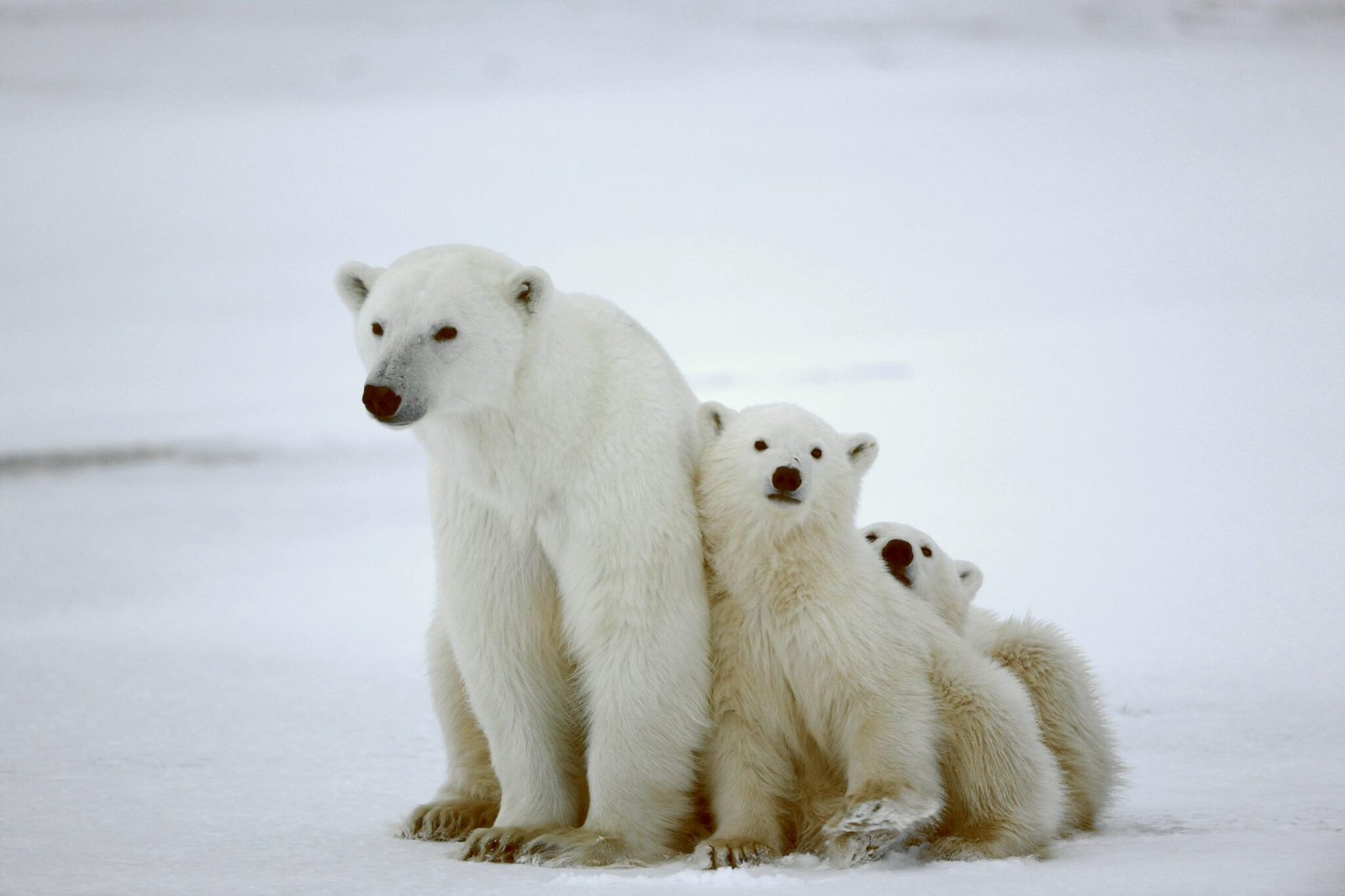
February 27th marked International Polar Bear Day, a day dedicated to raising awareness about the majestic creatures that roam the icy landscapes of the Arctic. As we celebrate these magnificent animals, it’s essential to reflect on their current status and the challenges they face, as well as the positive efforts being made to ensure their survival. That is why we decided to create our own International Polar Bear Week!The State of Polar BearsPolar bears, the largest land predators on Earth, inhabit the Arctic regions of Canada, Alaska, Russia, Greenland, and Svalbard. These iconic creatures rely primarily on sea ice to hunt for their main prey, seals. However, the rapid melting of Arctic Sea ice due to climate change poses a significant threat to their habitat and survival.The polar bear is descended from the brown bear. Genetic studies have provided various estimates for the emergence of the polar bear. According to a study published in 2010, based on mitochondrial DNA, the polar bear diverged from the brown bear approximately 150,000 years ago and quickly adapted to life on the Arctic Sea ice.
Poler bear life
The future of polar bears remains uncertain, with climate change continuing to threaten their habitat. However, conservation efforts are underway to mitigate these threats and protect vulnerable populations. Measures such as reducing greenhouse gas emissions, establishing protected areas, and promoting sustainable practices are crucial steps in safeguarding their future.
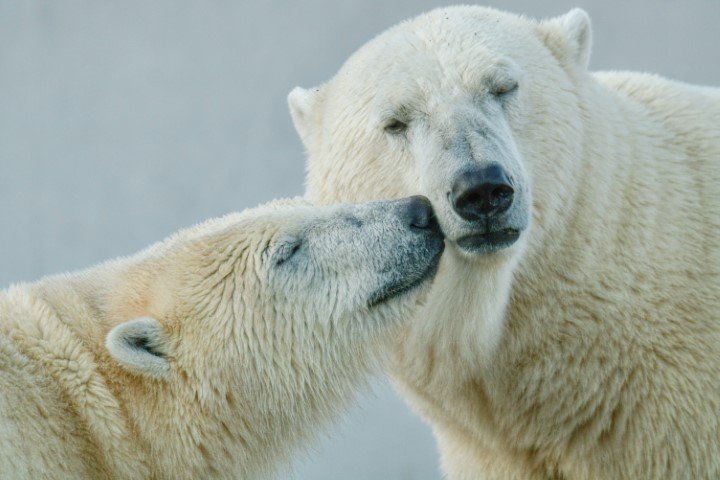
A closeup of a couple of polar bears. Ursus maritimus.The current population of polar bears is estimated to be between 22,000 to 31,000 individuals worldwide. While exact numbers are challenging to determine due to the remote nature of their habitat, scientists agree that many populations are declining due to habitat loss, reduced access to food, and other human-related factors.Life in the ArcticPolar bears are well-adapted to their harsh environment, with a thick layer of blubber and dense fur to insulate them from the cold. They are excellent swimmers and can travel long distances over ice floes in search of food. During the winter months, female polar bears enter dens to give birth to their cubs, usually between November and February. Unlike other bears, they do not technically hibernate but enter a state of reduced activity known as “walking hibernation”. The mother cares for her cubs in the den until they are ready to emerge in the spring.